Current condition
List bucket height, diameter, handle, rim and lid details for each format. Supply production samples and record whether buckets are presented nested or loose.
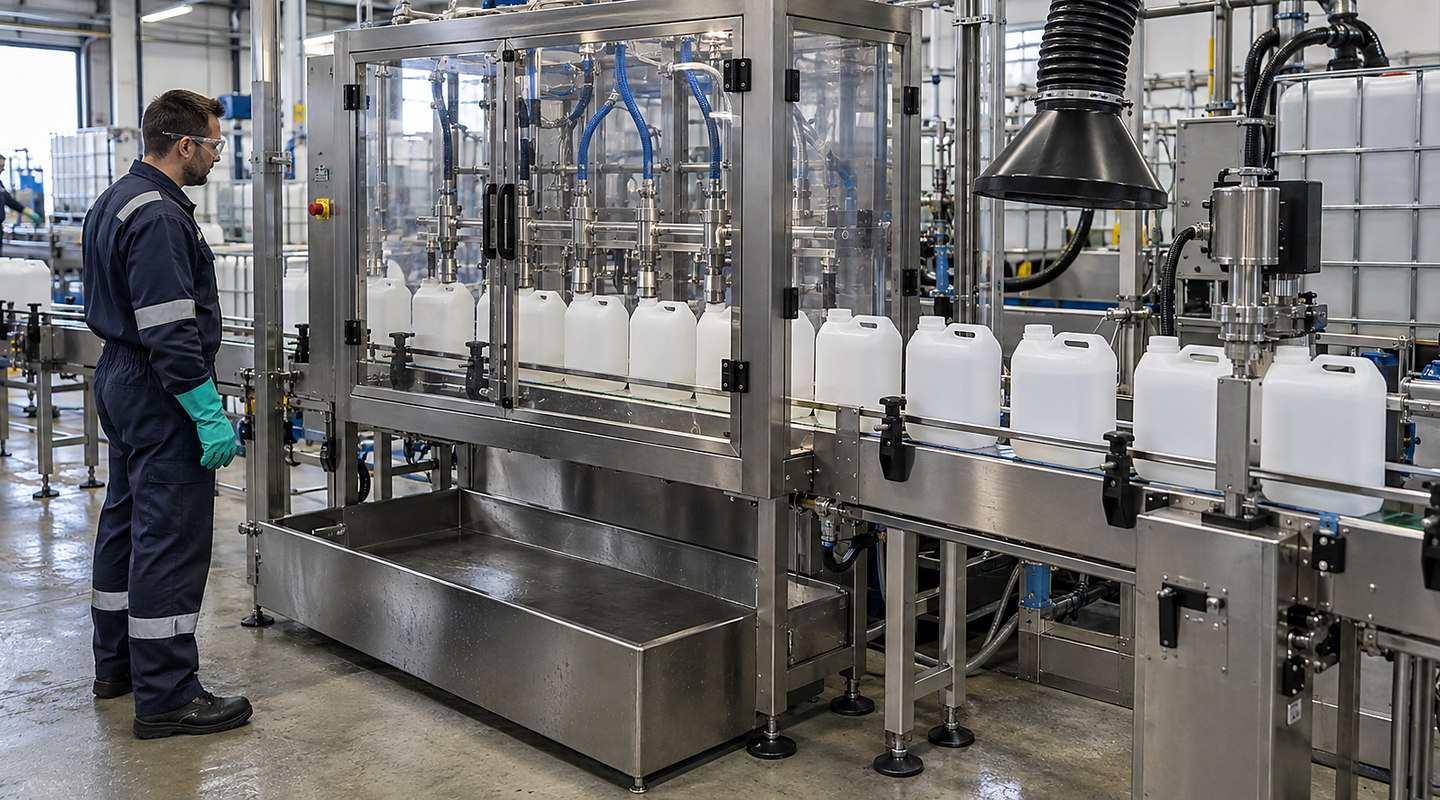
What decisions about bucket and lid range materially change the system concept for bucket filling lines?
For Bucket Filling Lines, define the operating conditions for bucket and lid range: the normal state, credible extremes, how the relevant values or conditions are measured, and which decision or outcome they affect.
For routine production using bucket and pail filling lines, describe the realistic range and how changes in bucket and lid range affect the result you need.
Plan bucket filling lines around your product, pack range, target output, cleaning needs and finished-pack checks. Discuss a practical line concept with Lancing using representative samples. Use this guide to resolve bucket and lid range before it limits the final system.
Discuss your application

List bucket height, diameter, handle, rim and lid details for each format. Supply production samples and record whether buckets are presented nested or loose.
For Bucket Filling Lines, include normal production conditions, credible extremes, product and bucket variants and changes over time.
Record which guides, supports, nozzle positions and lid tooling change between formats. Agree how the first acceptable filled and closed pail will be checked.
For Bucket and Lid Range: Changeover and cleaning decisions, describe the current position, required outcome, acceptable limits and known exceptions for product behaviour. That lets us compare options against your real production rather than one nominal value.
For Bucket and Lid Range: Changeover and cleaning decisions, describe the current position, required outcome, acceptable limits and known exceptions for bucket and lid range. That lets us compare options against your real production rather than one nominal value.
For Bucket and Lid Range: Changeover and cleaning decisions, describe the current position, required outcome, acceptable limits and known exceptions for target fill weight or volume. That lets us compare options against your real production rather than one nominal value.
For Bucket and Lid Range: Changeover and cleaning decisions, describe the current position, required outcome, acceptable limits and known exceptions for required output and production pattern. That lets us compare options against your real production rather than one nominal value.
For Bucket and Lid Range: Changeover and cleaning decisions, describe the current position, required outcome, acceptable limits and known exceptions for cleaning, access and changeover method. That lets us compare options against your real production rather than one nominal value.
For Bucket and Lid Range: Changeover and cleaning decisions, describe the current position, required outcome, acceptable limits and known exceptions for finished-pack checks and reject handling. That lets us compare options against your real production rather than one nominal value.